
Porcelain vs. Composite Veneers: Which Is Trending (and why)?
A shift has occurred in cosmetic dentistry over the past several years, with more patients seeking subtle yet impactful smile improvements. Many of those conversations take place here at Community Dental, where veneers remain one of the most requested treatments for enhancing tooth shape, color, and overall appearance. As interest grows, so does the question of which option makes the most sense. Learn more about porcelain veneers vs composite veneers in Columbus, OH.

The Rise of Veneers in Modern Smile Makeovers
Veneers have become a central part of modern cosmetic dentistry because they allow a smile to be transformed without extensive procedures. People are looking for solutions that feel natural, photograph well, and hold up over time, and veneers check all of those boxes.
Part of the popularity also comes from visibility. Social media, professional branding, and video calls have increased awareness of how a smile looks in different lighting and angles. This has led to a steady increase in demand for the most popular veneers, especially among patients who want noticeable improvement without a dramatic change in their overall look.
What Are Dental Veneers?
Dental veneers are thin coverings placed over the front surfaces of teeth. They are designed to correct a variety of cosmetic concerns, including discoloration, chips, gaps, and minor alignment issues. Once bonded in place, they create a smoother, more uniform appearance.
Veneers are custom-made to match the surrounding teeth, which allows them to blend naturally into your smile. Whether addressing a single tooth or multiple teeth, veneers offer flexibility in design and outcome. The two primary types used today are porcelain and composite.
Porcelain Veneers Explained
Porcelain veneers are crafted in a dental lab using durable ceramic materials. They are known for their ability to mimic the translucency and light-reflecting properties of natural enamel. Because of this, they are often chosen by patients seeking a highly refined, polished result.
The process involves preparing the tooth, taking impressions, and placing the final veneers once they are ready. While it requires multiple visits, the result is a strong, stain-resistant restoration.
Patients considering porcelain veneers vs composite veneers often lean toward porcelain for its longevity and aesthetic detail. With proper care, these veneers can last many years.
Composite Veneers Explained
Composite veneers are created using a tooth-colored resin that is applied and shaped directly onto the tooth. This allows for a quicker process, often completed in a single visit. The material is sculpted by hand, allowing the dentist to control the final shape and contour.
This option appeals to patients who want a more immediate transformation or prefer a less invasive approach. It also requires less removal of the natural tooth structure.
When comparing composite veneers vs porcelain veneers, composite stands out for its accessibility and flexibility. However, it may not last as long and can be more prone to staining over time, depending on lifestyle habits.
Porcelain vs Composite Veneers – Key Differences at a Glance
While both options improve appearance, they vary in durability, cost, and maintenance. Before making a decision, look at a porcelain vs composite veneer comparison. Each material offers distinct benefits depending on what you value most in a cosmetic treatment:
- Porcelain veneers are more durable and resistant to staining.
- Composite veneers are typically completed in one visit.
- Porcelain requires lab fabrication, while composite is applied directly.
- Composite veneers are generally more affordable upfront.
- Porcelain tends to last longer with proper care.
Which Veneer Type Is Trending Right Now (and Why)?
Among trending veneer materials, porcelain remains the most popular. Patients are drawn to its long-term performance and natural appearance, especially when investing in a smile makeover that they want to maintain for years.
That said, composite veneers are gaining attention in certain situations. Their quicker turnaround and lower initial cost make them appealing for patients who want to test out a new look or address minor imperfections without committing to a more involved process.
While porcelain remains the most popular veneers option overall, composite is carving out a space for patients seeking convenience and flexibility.
Lifestyle Factors That Influence the Right Choice
Lifestyle factors also play a role in determining which veneer type works best. Daily habits, long-term goals, and even career considerations can all factor into the decision. When we guide patients through this process, we look at how veneers will fit into their routine. A few considerations tend to come up frequently:
- Frequent coffee or wine consumption may affect composite veneers more noticeably.
- Grinding or clenching can place extra stress on any veneer type.
- Busy schedules may favor a faster, single-visit solution.
- Long-term planning often points toward more durable materials.
Porcelain or Composite Veneers – Which Is Right for You?
Some patients prioritize longevity and appearance, while others focus on convenience or cost. The right choice balances those priorities. Often, the decision becomes clearer after a conversation about expectations. Patients comparing composite veneers vs porcelain veneers often find that their preferences naturally align with one option once they understand the trade-offs.
We approach this process collaboratively, ensuring you have the information you need to make a confident decision. Whether you are leaning toward a subtle enhancement or a more dramatic transformation, veneers can be tailored to match your goals.
FAQ
How long do porcelain veneers last? Porcelain veneers can last a decade or longer with proper care, making them a durable option for long-term results.
Do composite veneers stain easily? Composite veneers are more prone to staining than porcelain, especially with frequent exposure to coffee, tea, or wine.
Are veneers reversible? Porcelain veneers typically require some enamel removal, making them a more permanent option. Composite veneers may be more easily adjusted or repaired.
Is the procedure painful? Most patients experience minimal discomfort during the process, and local anesthesia is used when necessary.
Can veneers fix crooked teeth? Veneers can improve the appearance of mild misalignment, but more significant issues may require orthodontic treatment.
Schedule Your Consultation for Veneers
If you’re deciding between porcelain veneers vs composite veneers and want a clear answer based on your own smile, our team at Community Dental in Columbus, OH, can walk you through your options and design a plan. Contact us today to schedule a consultation and explore what veneers can do for your smile.

A confident smile can change how you carry yourself in everyday life, from conversations at work to moments with family and friends. Many people…
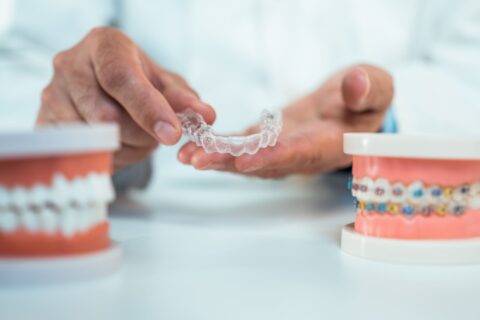
Thinking about straightening your teeth often comes with a mix of curiosity and hesitation, and many patients visiting Community Dental want a…