
Bleeding Gums? What It Could Mean and Why You Shouldn’t Ignore It
Noticing blood when you brush or floss can be unsettling, and many people aren’t sure how seriously to take it. Patients often ask, “Why are my gums bleeding?” and the answer can range from something minor to a sign of a more advanced condition, which is why it’s important not to brush it off as a one-time occurrence. Learn more about bleeding gums in Columbus, OH, and how we can help at Community Dental.
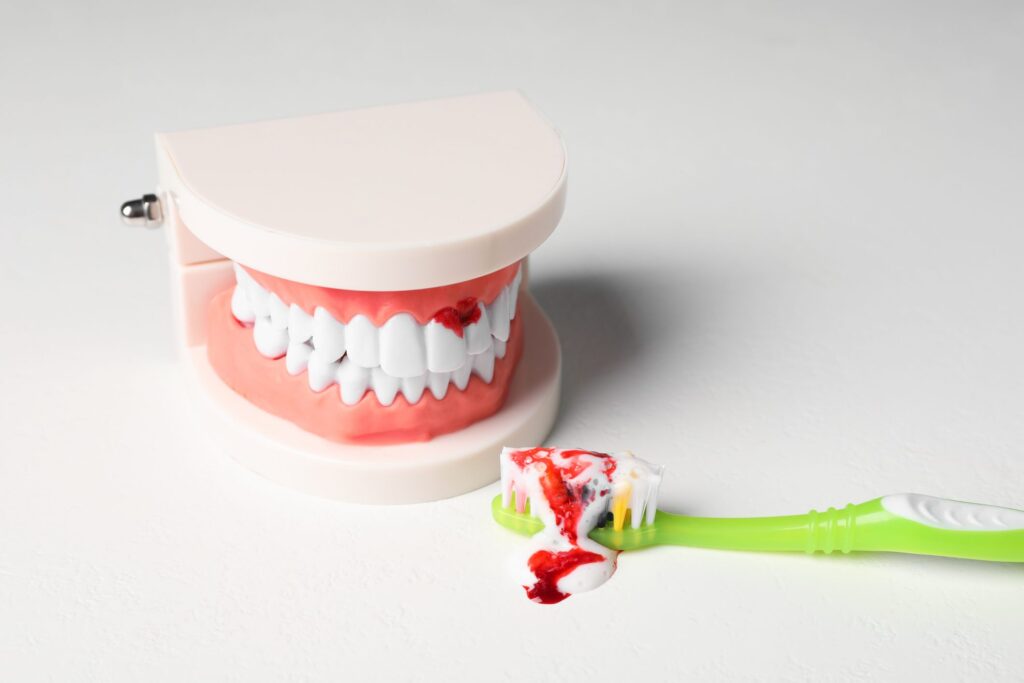
Is Bleeding Gums Normal?
Bleeding gums are common, but that doesn’t make them normal. Healthy gums shouldn’t bleed during brushing or flossing. Occasional irritation might happen if you’ve been a bit aggressive with your toothbrush or if you’re just getting back into a flossing routine, but consistent bleeding is your body’s way of signaling that something isn’t right. Understanding the meaning of bleeding gums starts with recognizing patterns. If the issue recurs daily or worsens over time, it’s usually due to inflammation or infection.
Common Causes of Bleeding Gums
There are several possible bleeding gums causes, and they don’t all carry the same level of concern. Some are related to daily habits, while others may involve underlying health conditions or oral hygiene routines. A closer look at the most frequent contributors may clarify what might be happening:
- Plaque buildup along the gumline, which irritates and inflames soft tissue
- Brushing too hard or using a toothbrush with stiff bristles
- Inconsistent flossing, especially when restarting after a long break
- Vitamin deficiencies, particularly vitamin C and vitamin K
- Hormonal changes, such as during pregnancy or menopause
- Certain medications that affect blood clotting or gum sensitivity
Bleeding Gums as a Sign of Gum Disease
One of the most common reasons behind bleeding gums is gum disease. In its earliest stage, known as gingivitis, inflammation develops due to plaque accumulation. Gums may appear red, swollen, and prone to bleeding during brushing or flossing.
If gingivitis isn’t addressed, it can progress into periodontitis. At this stage, the infection extends deeper into the supporting structures of the teeth. This can lead to gum recession, bone loss, and even loose teeth. Bleeding becomes more persistent and may occur without any direct contact.
The earlier gum disease is identified, the easier it is to manage. Routine dental visits allow us to catch these changes before they become more complex and harder to treat.
When Bleeding Gums Are a Dental Emergency
Most cases of bleeding gums are not emergencies, but there are situations where prompt care is necessary. Knowing when to contact an emergency dentist for bleeding gums can prevent more serious complications. Pay attention to symptoms that go beyond mild irritation. These may include:
- Heavy or continuous bleeding that doesn’t stop after a few minutes
- Severe swelling or pain in the gums
- Signs of infection, such as pus or a foul taste
- Loose teeth or sudden changes in bite alignment
- Bleeding accompanied by trauma or injury to the mouth
What Happens if You Ignore Bleeding Gums?
Gum disease doesn’t stay confined to the surface. As it advances, it can damage the bone that supports your teeth, leading to tooth loss in severe cases. Chronic inflammation may also contribute to other health concerns, as oral bacteria can enter the bloodstream. Even when the cause is less serious, delaying treatment often allows the issue to worsen. Addressing bleeding gums early is simpler, less invasive, and more effective.
How Dentists Diagnose the Cause of Bleeding Gums
During an exam, we assess gum health by measuring pocket depths around each tooth and checking for signs of inflammation or infection. X-rays may be used to evaluate bone levels and identify any hidden issues. We also review your medical history, medications, and daily habits to get a complete picture. This lets us pinpoint whether the problem is related to hygiene, systemic factors, or something more advanced so we can recommend the most appropriate course of action.
Treatment Options for Bleeding Gums
Treatment depends on the underlying cause, but most approaches focus on reducing inflammation and restoring gum health. Improving oral hygiene and professional cleanings can make a noticeable difference. For more advanced conditions, additional care may be needed. Common treatment options include:
- Professional dental cleanings to remove plaque and tartar buildup
- Scaling and root planing to clean below the gumline
- Antibacterial treatments to control infection
- Adjustments to brushing and flossing techniques
- Recommendations for nutritional support or lifestyle changes
FAQ
Why are my gums bleeding when I brush? Bleeding during brushing is often caused by inflammation from plaque buildup or irritation from brushing too hard. It can also be an early sign of gum disease.
Is flossing supposed to make gums bleed? If you’re new to flossing or haven’t done it regularly, your gums may bleed at first. This usually improves within a few days as the tissue becomes healthier.
Can bleeding gums heal on their own? Mild cases may improve with better oral hygiene, but persistent bleeding typically requires professional evaluation and treatment.
When should I see a dentist for bleeding gums? If bleeding lasts more than a few days, worsens, or is accompanied by swelling or pain, it’s best to schedule an appointment.
Are bleeding gums always a sign of gum disease? Not always, but gum disease is one of the most common causes. A dental exam can determine whether the issue is related to gingivitis, periodontitis, or another factor.
Schedule an Evaluation for Bleeding Gums
Bleeding gums often point to underlying issues that deserve attention. Community Dental in Columbus, OH, provides thorough evaluations and personalized treatment to restore and maintain gum health. If you’ve been noticing symptoms, contact us today to schedule an appointment.

What you eat every day has a direct effect on your teeth and gums, often in ways people don’t realize. Here at Community Dental, we see how small…