
Senior Dental Health: Staying Smiling with Dentures, Implants, and Bridges
Maintaining a healthy smile becomes increasingly important with age, and it is something we emphasize every day at Community Dental. As the years go by, teeth and gums naturally face more wear, and many patients begin to explore senior dental health in Columbus, OH. From replacing missing teeth to managing gum health, there are practical solutions that allow seniors to continue enjoying life without discomfort or hesitation.
Why Dental Health Matters More as We Age
Senior dental health affects more than just appearance; it plays a role in nutrition, speech, and overall well-being. As enamel wears down and gums recede, the risk of tooth decay and infection increases. These issues can make eating certain foods difficult, leading to limited diets that may impact general health.
There is also a strong connection between oral health and systemic conditions such as heart disease and diabetes. Regular dental care helps reduce inflammation and bacteria that can contribute to these concerns, and keeping up with routine visits and addressing tooth loss early can prevent more complicated issues later.
Common Dental Issues Affecting Seniors
Aging brings a set of predictable dental concerns, though the severity can vary. Understanding these issues helps patients recognize when it may be time to seek care or consider senior smile restoration options. Common issues include:
- Tooth loss due to decay or gum disease
- Dry mouth caused by medications or health conditions
- Gum recession leading to sensitivity
- Difficulty chewing due to missing or weakened teeth
- Worn enamel and increased risk of cavities
Understanding Tooth Replacement Options for Seniors
When teeth are lost, replacing them restores the ability to chew properly, speak clearly, and maintain facial structure. Several effective solutions exist, and choosing the right one depends on your individual needs, health, and lifestyle. Some patients prefer removable options, while others look for more permanent solutions. Each choice has its advantages, and we guide patients toward what makes the most sense for their situation.
Dentures for Seniors – A Time-Tested Solution
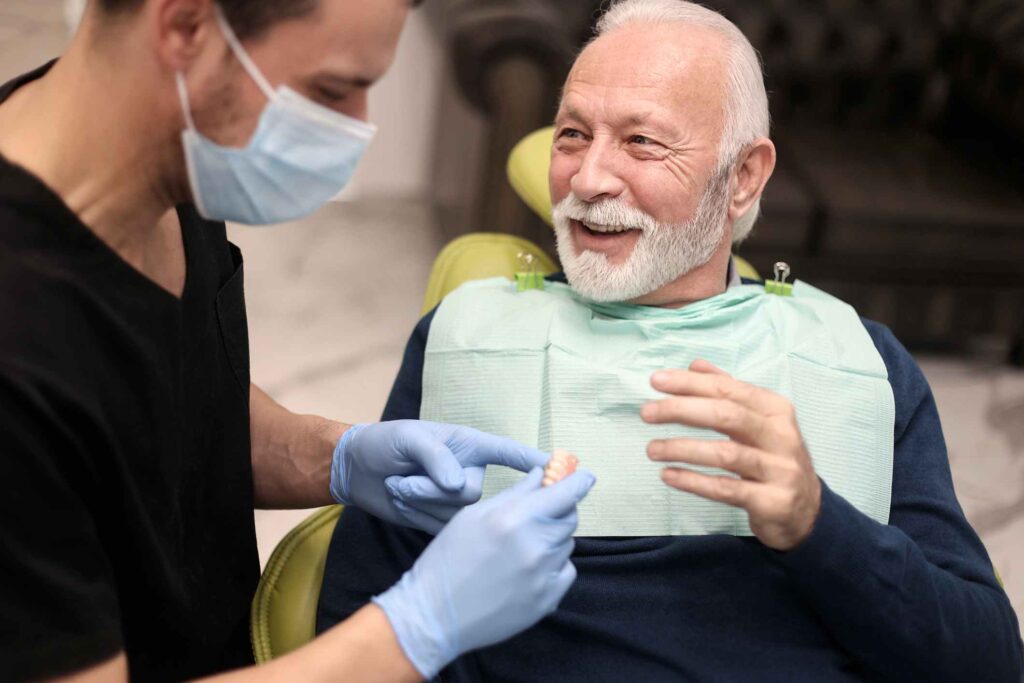
Dentures for seniors remain one of the most common ways to replace missing teeth. They are designed to fit comfortably and restore both function and appearance. Modern dentures are more natural-looking and better fitting than many people expect.
There are different types of dentures available, including full and partial dentures. Full dentures replace an entire arch of teeth, while partial dentures fill in gaps where some natural teeth remain. Many patients appreciate that dentures are non-invasive and typically more affordable compared to other options.
Learning how to care for dentures as a senior is essential to ensure longevity and comfort. Daily cleaning, proper storage, and regular adjustments help maintain their fit and prevent irritation.
Dental Implants for Seniors – A Long-Term Investment
Dental implants for seniors offer a more permanent approach to tooth replacement. These involve placing a small titanium post into the jawbone, which acts as a foundation for a crown. The implant integrates with the bone, creating a stable and durable solution.
Implants can replace a single tooth or support multiple teeth, and they are often chosen by patients who want a solution that closely mimics natural teeth. With proper care, implants can last many years, making them a strong long-term investment.
This option does require sufficient bone density and a commitment to oral hygiene. For those who qualify, implants provide excellent stability and comfort.
Dental Bridges – Filling the Gap Between Teeth
Dental bridges for seniors are another option, particularly when missing teeth are located between healthy ones. A bridge uses adjacent teeth as anchors to hold an artificial tooth in place.
Bridges restore chewing ability and prevent surrounding teeth from shifting, and they are fixed in place, meaning they do not need to be removed for cleaning. Many patients find them to be a convenient middle ground between dentures and implants.
While bridges may not last as long as implants, they are a reliable and widely used solution for targeted tooth replacement.
Comparing Dentures, Implants, and Bridges
Choosing between these options often comes down to lifestyle, budget, and health considerations. Reviewing these factors with our dental professionals can determine the best tooth replacement for seniors based on individual priorities:
- Dentures are removable and generally cost-effective.
- Implants are permanent and offer the most natural feel.
- Bridges are fixed and work well for replacing one or a few teeth.
- Maintenance requirements vary depending on the option.
- Longevity differs, with implants typically lasting the longest.
How to Choose the Right Tooth Replacement Option
Selecting the right solution requires a thoughtful assessment of overall health, oral health, and daily habits. Some patients prioritize affordability, while others value permanence and convenience. We often consider several elements during this process:
- Bone health and jaw structure
- Number of missing teeth
- Personal comfort with removable appliances
- Long-term maintenance expectations
- Budget and insurance coverage
Caring for Your Smile After Tooth Replacement
Once teeth have been replaced, ongoing care becomes essential. Daily cleaning is important for all restoration types. Dentures should be removed and cleaned thoroughly, while implants and bridges require brushing and flossing just like natural teeth. Regular dental visits allow us to monitor fit and function and make adjustments when necessary.
Healthy habits also play a role. Staying hydrated, eating a balanced diet, and avoiding tobacco products can all contribute to better outcomes. With the right care, these restorations can provide comfort and confidence for years.
FAQ
What are the most common senior smile restoration options? Dentures, dental implants, and dental bridges are the most widely used solutions for replacing missing teeth in seniors.
Are dental implants safe for older adults? Yes, dental implants for seniors are generally safe as long as overall health and bone density support the procedure.
How do I know which option is the best tooth replacement for seniors? The best choice depends on your oral health, budget, and personal preferences. A dental evaluation will determine the right fit.
How do I care for dentures as a senior? Dentures should be cleaned daily, stored properly when not in use, and checked regularly by a dentist for proper fit.
Do dental bridges require special maintenance? Dental bridges require consistent brushing and flossing, especially around the supporting teeth, to prevent decay and gum issues.
Get Started With a Healthier Smile
If you are exploring senior dental health solutions in Columbus, OH, we can help you find a comfortable and lasting option. Whether you are considering dentures for seniors, dental implants for seniors, or dental bridges for seniors, our team will walk you through each step. Contact Community Dental today to schedule an appointment and discuss the right path for restoring your smile.

A healthy smile is built from everyday habits, thoughtful food choices, and regular care that fits into real life, and our team at Community Dental…
Follow the link below to download the new patient intake forms. Please bring completed forms to your first appointment.
Download New Patient…